

Home > Lectures > Paleocene volcanics and sedimentation in West Scotland
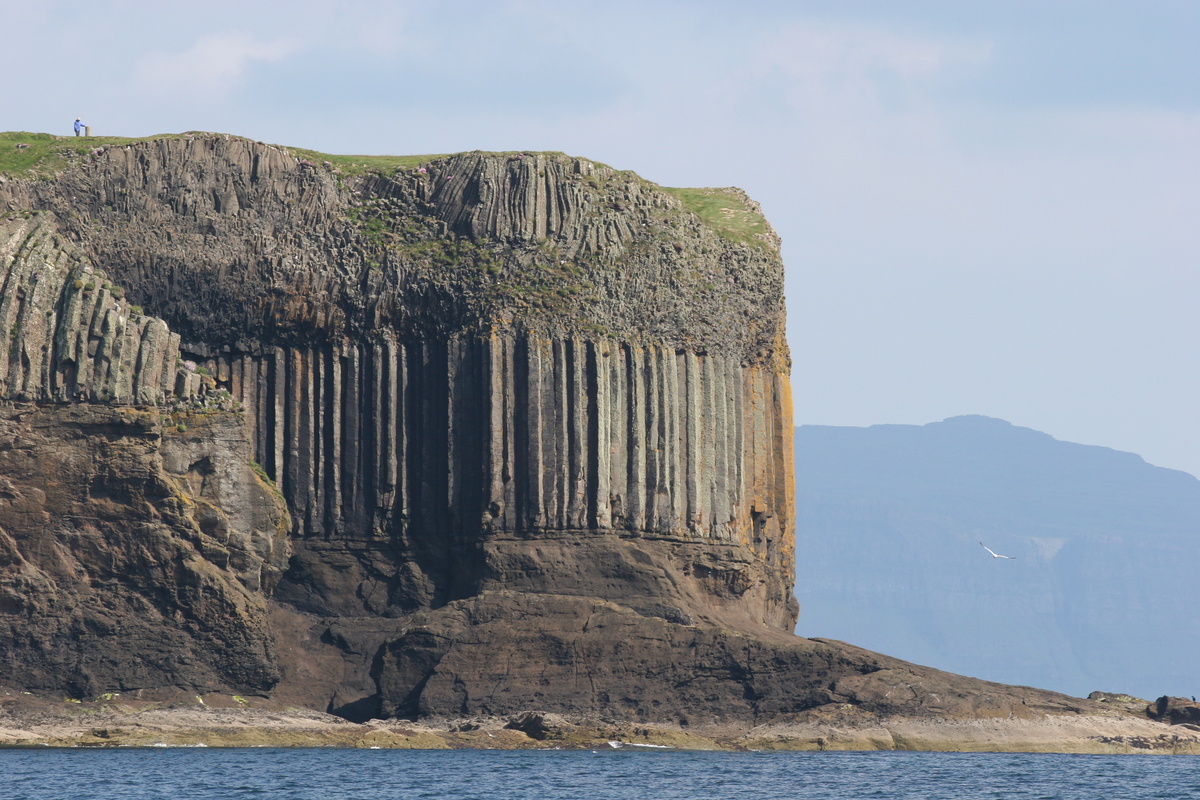
Paleocene volcanics and sedimentation in West Scotland

Speaker
Dr. Brian Bell (ret) University of Glasgow will deliver this talk
Summary
The spectacular remnants of Paleocene lava fields in the Inner Hebrides are dominated by thick sequences of simple (sheet-like) flows and more complex compound flows. Interbedded with these lavas are sedimentary units, deposited within canyons, broad river channels, lakes and mires. In some cases, sufficient time intervals between eruptions allowed trees to develop on the volcanic landscape, now preserved as moulds and casts, together with slabs of bark and rafts of leaves. Elsewhere, magma interacted with sediment in a dynamic manner, producing a variety of distinctive lithologies, including peperites and hyaloclastites. Understanding the architecture of these volcanic and sedimentary systems allows us to get a glimpse into the dynamic development of these lava fields.
This talk will comprise a pictorial trip through the volcanic sequences of the Inner Hebrides, looking at examples of volcanic-sedimentary systems from Skye, Canna, Sanday, Rum, Eigg and Mull. There will be no mention of rock chemistry or isotope signatures – just field views from his collection of the past forty years!
Since retiring from his university research and teaching ‘career’, Brian has set up a website which he hopes captures the fabulous geology of the islands of Skye and Raasay (www.skyegeology.com). This includes downloadable pdfs of 64 fully illustrated excursions – for which users are encouraged to donate to charity.
His swansong is an update of the 2005 BGS memoir The Palaeogene volcanic districts of Scotland which he co-authored with his good friend and mentor Henry Emeleus, to be published online in 2026 or 2027, and which makes full use of his photograph collection.